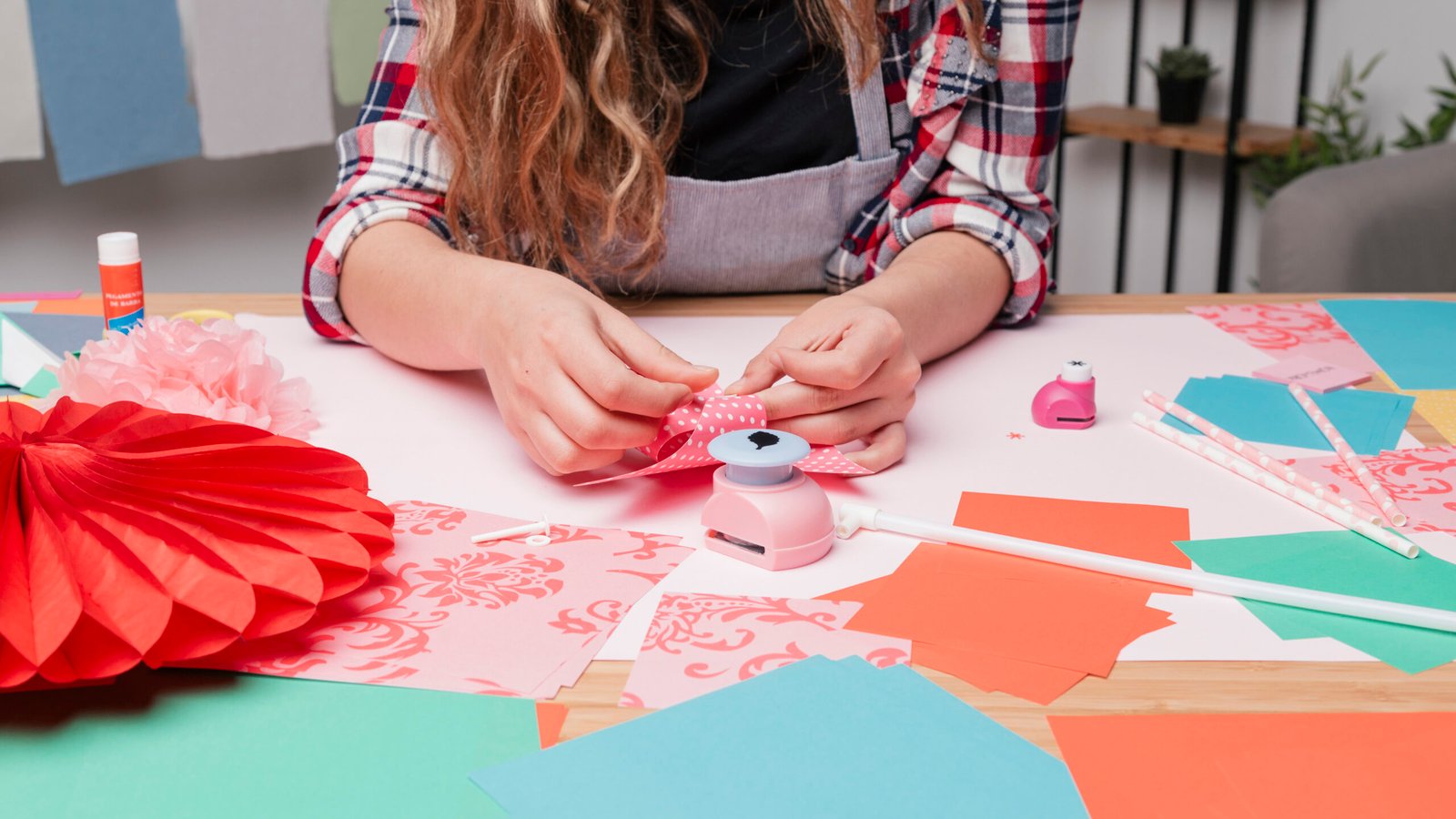
Papermachette is a creative term that blends the traditional art of paper mache with modern craft innovation. While classic paper mache has been practiced for centuries across cultures, papermachette represents a more refined, artistic, and decorative approach to working with paper pulp and adhesive mixtures. This craft technique allows artists, hobbyists, and DIY enthusiasts to transform simple materials like newspapers, tissue paper, and glue into beautiful sculptures, masks, home décor items, and artistic installations. The beauty of papermachette lies in its accessibility, affordability, and limitless creative possibilities, making it a popular choice for students, educators, and professional artists alike.
Unlike traditional paper mache, which often focuses on basic shapes and school projects, papermachette emphasizes detail, texture, finishing quality, and design innovation. It is not just about layering paper and glue; it is about crafting visually appealing, durable, and sometimes professional-grade art pieces. Whether you are interested in decorative bowls, festival masks, wall art, or eco-friendly sculptures, papermachette offers a versatile and rewarding creative outlet.
History and Origins of Papermachette
The roots of papermachette can be traced back to the ancient practice of paper mache, which originated in regions such as China and later spread to Egypt and France. In China, paper-based crafts were used for decorative and ceremonial purposes, while in Egypt, paper pulp was utilized in funerary masks and artistic embellishments. France later refined the technique and popularized decorative paper art in Europe during the 17th and 18th centuries.
Papermachette, as a modern interpretation, evolved from these traditional methods by incorporating contemporary design aesthetics, improved adhesives, stronger structural frameworks, and innovative finishing techniques. Today, artists worldwide use papermachette to create gallery-worthy pieces, sustainable art projects, and custom decorative items that reflect both cultural heritage and modern creativity.
Materials Required for Papermachette
Creating papermachette art does not require expensive supplies, which makes it highly accessible. The basic materials include recycled newspapers or tissue paper, white glue or flour-based paste, water, and a mixing bowl. However, for advanced papermachette projects, additional materials such as acrylic paints, varnish, wire frames, balloons, masking tape, and sculpting tools are often used to enhance durability and detail.
The key to high-quality papermachette lies in proper paper preparation. Tearing paper into strips instead of cutting it helps the layers blend smoothly and reduces visible edges. Many artists prefer to create a pulp mixture for detailed sculpting, while others rely on layered strips for structural strength. Sealants and primers are also essential for achieving a polished, professional finish.
Papermachette Techniques and Methods
Papermachette involves several techniques, each suited for different artistic goals. The strip layering method is the most common and is ideal for building hollow shapes such as bowls, masks, and decorative objects. In this method, paper strips are dipped in adhesive and layered over a mold or base structure.
Another popular method is the pulp sculpting technique, where paper is soaked, blended into pulp, and mixed with glue to create a clay-like consistency. This method allows for intricate detailing, textures, and sculptural precision. Advanced papermachette artists often combine both methods to achieve strength and fine detailing in a single project.
Drying time is an essential factor in papermachette. Each layer must dry completely before adding another to prevent warping or mold growth. Proper ventilation and patience significantly improve the final outcome of the artwork.
Creative Uses of Papermachette
Papermachette has a wide range of creative applications. It is commonly used for making festival masks, piñatas, decorative lamps, wall art, sculptures, jewelry, and themed party décor. Many interior designers and craft entrepreneurs use papermachette to produce eco-friendly home accessories such as bowls, trays, figurines, and statement pieces.
In educational settings, papermachette serves as an excellent hands-on activity that encourages creativity and problem-solving. Schools and art workshops frequently introduce students to papermachette projects to teach artistic expression and sustainable crafting practices. Because it relies heavily on recycled materials, it also promotes environmental awareness and responsible consumption.
Benefits of Practicing Papermachette
One of the greatest advantages of papermachette is its affordability. Most materials are readily available at home, making it an inexpensive hobby. Additionally, it encourages recycling and reduces waste, contributing to sustainable living practices.
Papermachette also enhances creativity and fine motor skills. The process of layering, shaping, and painting stimulates artistic thinking while improving hand-eye coordination. For many individuals, papermachette is also a therapeutic activity that reduces stress and provides a sense of accomplishment upon completion.
Furthermore, papermachette projects can evolve into small business opportunities. Handmade paper crafts have strong demand in gift markets, craft fairs, and online platforms, allowing creative individuals to monetize their skills.
Common Mistakes to Avoid in Papermachette
Beginners often make the mistake of applying overly thick layers of glue, which can lead to soggy structures and extended drying times. Another common error is rushing the drying process, which may result in cracking or mold formation. Using insufficient structural support for large projects can also cause collapse or deformation.
To avoid these issues, it is important to apply thin, even layers, allow complete drying between steps, and use supportive frameworks like wire or cardboard bases when necessary. Sealing the finished piece properly ensures durability and resistance to moisture.
Conclusion: Why Papermachette is Worth Exploring
Papermachette is more than just a craft technique; it is an artistic journey that transforms simple paper into remarkable works of art. Rooted in historical traditions yet enhanced by modern creativity, papermachette provides endless possibilities for artistic expression, sustainable crafting, and personal satisfaction. Whether you are a beginner experimenting with your first project or an experienced artist refining your techniques, papermachette offers a flexible and rewarding creative experience. Its affordability, environmental benefits, and artistic versatility make it an ideal craft for people of all ages and skill levels.
Frequently Asked Questions (FAQs) About Papermachette
1. What is papermachette?
Papermachette is a modern, refined approach to traditional paper mache art that focuses on creative design, improved techniques, and high-quality finishing.
2. Is papermachette suitable for beginners?
Yes, papermachette is beginner-friendly because it uses simple materials and easy techniques, making it accessible to all age groups.
3. How long does papermachette take to dry?
Drying time depends on thickness and humidity, but typically each layer requires 12–24 hours to dry completely.
4. Can papermachette be waterproof?
While the base material is not naturally waterproof, applying sealants or varnish can provide moisture resistance.
5. What are the best papers to use for papermachette?
Newspapers, tissue paper, and recycled paper work best because they absorb adhesive well and layer smoothly.
6. Can papermachette be used for business purposes?
Yes, many artisans create decorative items, custom sculptures, and eco-friendly crafts to sell at markets or online platforms.