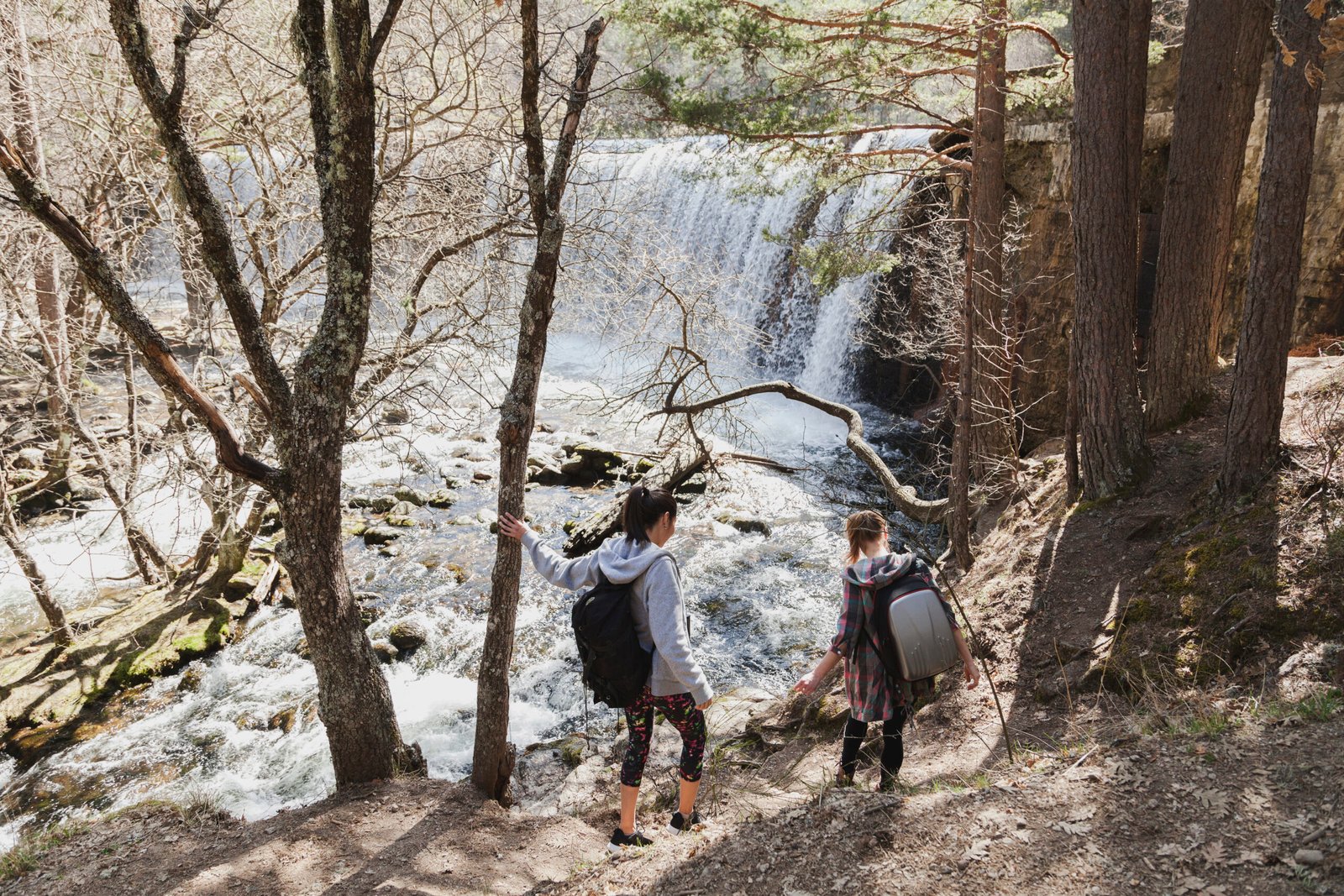
Enntal is a picturesque and historically rich valley located in Austria, stretching along the Enns River and surrounded by some of the most impressive Alpine landscapes in Central Europe. Known for its dramatic mountains, fertile valley floors, charming towns, and deep cultural roots, Enntal has long been an important region for settlement, trade, and tourism. The valley connects several Austrian states, including Styria, Upper Austria, and Salzburg, making it both geographically and culturally significant. Today, Enntal stands as a symbol of harmony between nature and human life, where traditional Alpine customs coexist with modern infrastructure, outdoor recreation, and sustainable tourism. Understanding Enntal means exploring not just a place on the map, but a living landscape shaped by centuries of history, natural forces, and community traditions.
Geographical Importance of Enntal
The geographical importance of Enntal lies in its location along the Enns River, one of Austria’s longest rivers, which has shaped the valley’s land, economy, and settlement patterns for thousands of years. Enntal is bordered by major Alpine mountain ranges such as the Northern Limestone Alps and the Central Alps, creating a dramatic contrast between steep mountain slopes and wide, fertile valley floors. This geography has made Enntal a natural corridor for movement and trade since ancient times, allowing people, goods, and ideas to travel through the Alps more easily. The valley’s climate, influenced by both alpine and continental conditions, supports agriculture, forestry, and tourism, while also making the region vulnerable to natural challenges such as floods and avalanches. Despite these challenges, the geography of Enntal remains one of its greatest strengths, offering breathtaking scenery and a diverse natural environment.
Historical Development of Enntal
The history of Enntal dates back to prehistoric times, with archaeological evidence showing early human settlements that relied on the river and surrounding forests for survival. During the Roman era, the valley became part of important trade routes that connected northern and southern Europe, leaving behind remnants of roads and settlements. In the Middle Ages, Enntal grew in importance due to mining, agriculture, and its strategic location, leading to the development of towns, castles, and monasteries that still shape the region’s identity today. Over the centuries, Enntal experienced political changes, economic growth, and periods of hardship, including wars and natural disasters. However, the resilience of its communities allowed the valley to adapt and evolve. In modern times, Enntal has transformed from a primarily rural and industrial region into a balanced area that values cultural heritage, environmental protection, and sustainable development.
Culture and Traditions in Enntal
Culture and traditions in Enntal are deeply rooted in Alpine life, shaped by the rhythms of nature and the values of close-knit communities. Traditional music, folk dances, regional costumes, and seasonal festivals play an important role in preserving the valley’s cultural identity. Events such as harvest celebrations, Alpine cattle drives, and local fairs bring together residents and visitors, offering insight into centuries-old customs that are still actively practiced. The cuisine of Enntal reflects its agricultural background, featuring hearty dishes made from local ingredients such as dairy products, grains, and meats. At the same time, Enntal culture is not frozen in the past; it continues to evolve as modern influences blend with tradition. This balance between preservation and progress is one of the defining characteristics of Enntal’s cultural life.
Nature and Landscapes of Enntal
The natural landscapes of Enntal are among its most captivating features, attracting nature lovers and outdoor enthusiasts from around the world. Towering mountains, dense forests, clear rivers, and open meadows create a diverse ecosystem that supports a wide range of plant and animal species. Enntal is home to several protected areas and nature parks that aim to conserve biodiversity while allowing responsible access for recreation. Hiking, cycling, climbing, skiing, and rafting are popular activities that allow visitors to experience the valley’s natural beauty firsthand. Throughout the year, Enntal’s landscapes change dramatically with the seasons, from lush green summers to snowy winter scenes, offering new perspectives and experiences in every season. This close relationship between people and nature is central to life in Enntal.
Tourism and Modern Life in Enntal
Tourism plays a vital role in the modern economy of Enntal, contributing to employment, infrastructure development, and cultural exchange. The region attracts visitors seeking outdoor adventures, relaxation, and authentic Alpine experiences. At the same time, Enntal has embraced modern life through improved transportation, education, and sustainable energy initiatives. Towns and villages within the valley have worked to maintain their historical charm while providing modern amenities, ensuring a high quality of life for residents. Sustainable tourism has become a key focus, with efforts to protect natural resources, reduce environmental impact, and promote local products. This approach helps ensure that Enntal remains a vibrant and livable region for future generations while continuing to welcome visitors from around the world.
Conclusion
Enntal is far more than just a scenic Alpine valley; it is a region shaped by geography, history, culture, and a strong connection to nature. From its ancient roots and strategic importance to its rich traditions and modern sustainable lifestyle, Enntal represents a unique blend of past and present. The valley’s landscapes inspire awe, its communities preserve meaningful customs, and its forward-looking approach ensures continued growth and protection of the environment. Whether explored through history, culture, nature, or tourism, Enntal stands as a remarkable example of how human life can thrive in harmony with the Alpine world.
Frequently Asked Questions About Enntal
What is Enntal known for?
Enntal is known for its stunning Alpine landscapes, the Enns River, rich cultural traditions, historical towns, and a wide range of outdoor activities such as hiking, skiing, and cycling.
Where is Enntal located?
Enntal is located in Austria and stretches across parts of Styria, Upper Austria, and Salzburg, following the course of the Enns River through the Alps.
Is Enntal a good destination for tourism?
Yes, Enntal is an excellent destination for tourism, offering natural beauty, cultural experiences, outdoor sports, and sustainable travel options throughout the year.
What kind of culture can be found in Enntal?
The culture of Enntal is deeply influenced by Alpine traditions, including folk music, traditional clothing, regional festivals, and local cuisine passed down through generations.
Can Enntal be visited year-round?
Enntal can be visited in all seasons, with summer activities such as hiking and rafting, and winter attractions including skiing, snowshoeing, and scenic mountain views.