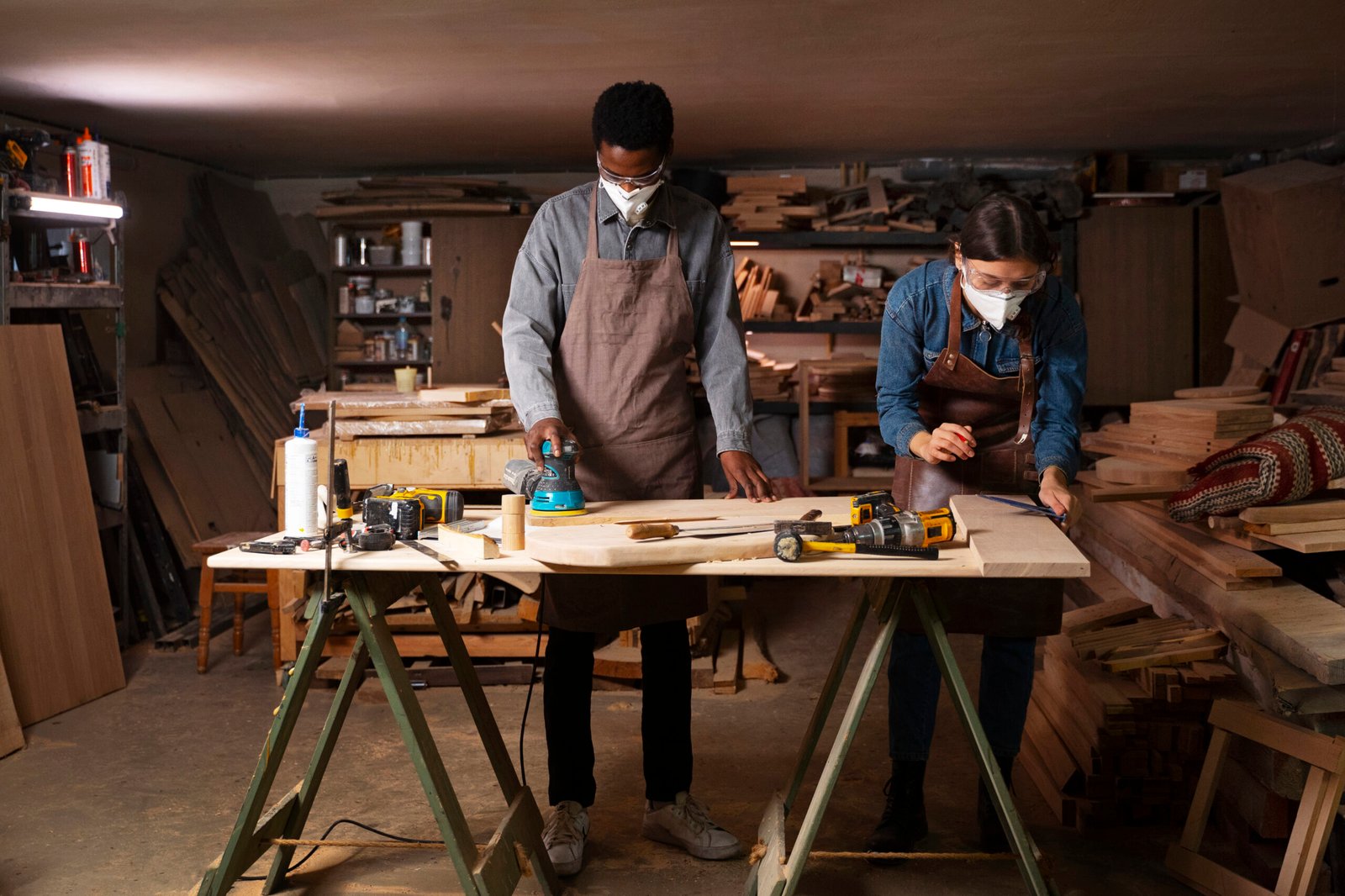
Woodwork coffee is more than just a phrase or a café name; it represents a growing movement in modern coffee culture where handcrafted wooden design meets thoughtfully prepared coffee. In recent years, people have started seeking experiences rather than just beverages, and woodwork coffee perfectly captures this shift. The combination of natural wood elements, artisanal interior design, and carefully sourced coffee beans creates an environment that feels warm, intentional, and authentic. Whether you encounter woodwork coffee as a café concept, a brand identity, or a design philosophy, it reflects a deeper appreciation for craftsmanship, sustainability, and mindful consumption.
At its core, woodwork coffee speaks to people who value atmosphere as much as flavor. The texture of wooden tables, the aroma of fresh espresso, and the soft glow of natural materials all come together to create a space that encourages conversation, creativity, and calm. This article explores the meaning, appeal, and future of woodwork coffee, explaining why it has become such a powerful trend in the coffee world.
The Concept Behind Woodwork Coffee
The concept of woodwork coffee is built on the idea that coffee tastes better when it is served in a thoughtfully designed environment. Wood has always been associated with warmth, durability, and tradition, and when combined with coffee culture, it creates a sense of comfort and trust. Woodwork coffee spaces often feature handcrafted furniture, exposed wooden beams, custom shelves, and counters made from reclaimed or solid wood. These elements are not just decorative; they tell a story of care, patience, and attention to detail.
In many woodwork coffee establishments, the design reflects the same values as the coffee itself. Just as baristas take time to grind beans correctly and extract espresso carefully, the wooden elements are shaped, sanded, and finished with intention. This alignment between product and environment makes woodwork coffee feel cohesive and meaningful rather than trendy or artificial.
Woodwork Coffee and the Art of Café Design
Woodwork coffee has played a significant role in redefining café design standards. Instead of cold, industrial interiors or overly polished spaces, woodwork coffee emphasizes natural textures and human touch. Designers often use oak, walnut, pine, or reclaimed wood to create furniture and wall features that age beautifully over time. This approach makes each woodwork coffee space unique, as no two pieces of wood are exactly alike.
The layout of a woodwork coffee café is usually designed to encourage people to stay longer. Communal tables, cozy corners, and visible craftsmanship invite customers to slow down and enjoy their surroundings. The visual harmony between wood grain and coffee tones creates a calming environment, which is why many freelancers, students, and creatives are drawn to woodwork coffee locations for work or reflection.
The Role of Craftsmanship in Woodwork Coffee
Craftsmanship is at the heart of woodwork coffee. Every wooden detail, from the counter where drinks are served to the chairs customers sit on, reflects skilled labor and artistic vision. This craftsmanship mirrors the precision required in brewing high-quality coffee, creating a strong connection between the physical space and the drink itself.
Many woodwork coffee brands collaborate with local carpenters and artisans to design custom interiors. This not only supports local craftsmanship but also strengthens the café’s identity within the community. Customers often feel a deeper emotional connection to a place that values handmade elements, making woodwork coffee spaces memorable and authentic rather than generic.
Woodwork Coffee and Sustainability
Sustainability is another key aspect of woodwork coffee. Many cafés that follow this concept choose responsibly sourced wood, recycled materials, and eco-friendly finishes. Reclaimed wood, in particular, is popular because it reduces waste while adding character and history to the space. Each scratch or mark tells a story, aligning perfectly with the narrative-driven nature of specialty coffee.
Woodwork coffee spaces often extend their sustainability efforts beyond design. Ethical coffee sourcing, reusable cups, minimal plastic use, and energy-efficient lighting are common practices. Together, these choices create a holistic approach where environmental responsibility is woven into every aspect of the woodwork coffee experience.
Why Woodwork Coffee Appeals to Modern Coffee Lovers
The popularity of woodwork coffee can be attributed to changing consumer preferences. Modern coffee lovers are not just looking for caffeine; they want connection, authenticity, and a sense of place. Woodwork coffee provides an escape from fast-paced, digital-heavy environments by offering warmth and tactile comfort.
Social media has also played a role in the rise of woodwork coffee. The natural aesthetics of wooden interiors photograph beautifully, making these cafés highly shareable. However, beyond visual appeal, customers return because woodwork coffee spaces feel welcoming and personal. This emotional connection is what turns first-time visitors into loyal regulars.
The Future of Woodwork Coffee
As coffee culture continues to evolve, woodwork coffee is likely to remain relevant and influential. The emphasis on craftsmanship, sustainability, and meaningful experiences aligns with long-term consumer values rather than short-lived trends. Future woodwork coffee concepts may experiment with innovative wooden designs, smart use of space, and deeper storytelling through materials.
Technology may enhance coffee preparation, but the human desire for warmth and authenticity will always remain. Woodwork coffee stands as a reminder that even in a fast-changing world, people still crave spaces that feel real, grounded, and thoughtfully made.
Conclusion: The Lasting Impact of Woodwork Coffee
Woodwork coffee represents a perfect balance between tradition and modernity. By combining the natural beauty of wood with the artistry of coffee brewing, it creates spaces that feel both timeless and contemporary. From handcrafted interiors to sustainable practices, woodwork coffee reflects values that resonate deeply with today’s coffee lovers.
More than just a design choice, woodwork coffee is a philosophy that celebrates patience, quality, and human touch. As people continue to seek meaningful experiences, woodwork coffee will remain a powerful symbol of how thoughtful design and great coffee can come together to create something truly special.
Frequently Asked Questions (FAQs) About Woodwork Coffee
What does woodwork coffee mean?
Woodwork coffee refers to a coffee concept or café style that combines high-quality coffee with handcrafted wooden design elements. It emphasizes craftsmanship, warmth, and a welcoming atmosphere.
Is woodwork coffee a type of coffee or a café style?
Woodwork coffee is primarily a café style or design philosophy rather than a specific type of coffee. However, these cafés usually focus on specialty coffee and careful brewing methods.
Why is wood used so heavily in woodwork coffee spaces?
Wood is used because it creates warmth, comfort, and authenticity. In woodwork coffee environments, wooden elements reflect craftsmanship and align with the artisanal nature of specialty coffee.
Are woodwork coffee cafés environmentally friendly?
Many woodwork coffee cafés prioritize sustainability by using reclaimed wood, eco-friendly materials, and ethically sourced coffee. While not all are the same, sustainability is a common value within this concept.
Why are people attracted to woodwork coffee cafés?
People are drawn to woodwork coffee cafés because they offer a relaxing atmosphere, beautiful design, and a sense of connection. The combination of handcrafted interiors and quality coffee creates a memorable experience.