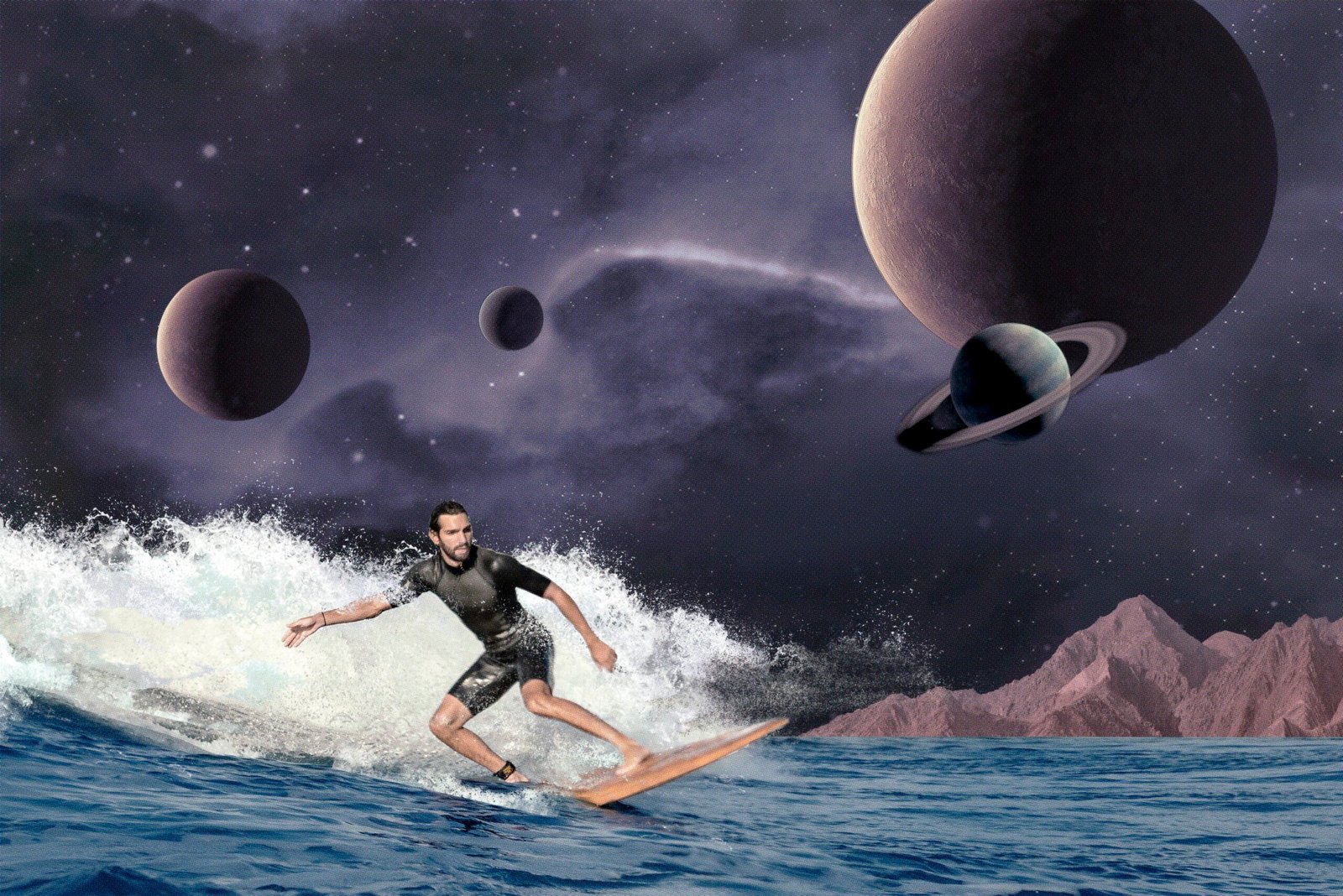
A “spaietacle” can be understood as a dazzling fusion of space and spectacle, representing any experience—real or imagined—that showcases the beauty, mystery, or drama of the cosmos. Whether it is the breathtaking sight of a meteor shower across a quiet night sky, a cinematic depiction of interstellar travel, or a technologically advanced immersive exhibition that simulates life in distant galaxies, a spaietacle captures humanity’s fascination with what lies beyond Earth. In today’s world, where scientific achievements blend seamlessly with creative storytelling, spaietacles serve not only as entertainment but also as profound reminders of the vastness of the universe and our relentless curiosity to explore it.
In this article, we will explore the different dimensions of spaietacles—from their scientific foundations and artistic value to the cultural impact they leave on society. Each section is designed to dive deeper into the keywords and provide rich, extended explanations that build a complete understanding of the concept.
1. The Origin of the Spaietacle Concept
The idea of a spaietacle stems from humanity’s long-standing desire to interpret the night sky in ways that ignite wonder. Since ancient times, civilizations have looked upward and attached meaning to the stars, planets, and cosmic events. Today, the meaning has expanded dramatically. A spaietacle is no longer limited to natural astronomical occurrences but includes the creative visions that artists, filmmakers, and scientists craft to replicate or enhance the universe’s beauty. The origin of this concept lies in the merging of scientific curiosity with artistic imagination, creating experiences that feel both educational and emotionally stirring. Through this blend, spaietacles help bridge the gap between what we know and what we dream, allowing audiences to feel closer to the cosmos than ever before.
2. Scientific Spaietacles: The Reality Behind Cosmic Phenomena
Scientific spaietacles refer to authentic astronomical events that occur naturally in our universe. These include solar eclipses, lunar eclipses, planetary alignments, meteor showers, supernovas, auroras, and rare celestial occurrences that only happen every few centuries. Each natural phenomenon serves as a spaietacle because it offers a momentary glimpse into the dynamic forces shaping space. For example, an aurora is not just a beautiful dance of colors in the sky; it is a physical reaction between solar wind and Earth’s magnetic field. A meteor shower is not merely a streak of light but a trail of cosmic debris burning in the atmosphere. Understanding these scientific spaietacles increases appreciation, turning passive observers into curious learners who recognize the powerful mechanisms behind the beauty.
3. Artistic Spaietacles: How Creativity Brings the Universe to Life
Artistic spaietacles encompass all forms of imaginative expression that attempt to recreate, honor, or reimagine the cosmos. These include space-themed films, digital art installations, theme park attractions, VR simulations, museum exhibits, theatrical productions, and futuristic architecture. Artists often leverage colors, scale, sound, and advanced visual effects to evoke feelings of grandeur and infinite possibility. This type of spaietacle allows creators to take audiences on journeys that science cannot yet make real—such as traveling through wormholes, witnessing fictional star systems, or encountering imagined extraterrestrial civilizations. Artistic spaietacles push the boundaries of storytelling, blending scientific theories with creative speculation to craft experiences that feel both fantastical and believable.
4. Technological Spaietacles: Innovations That Transform How We View Space
Technological spaietacles highlight the advanced tools and digital innovations that help us experience space in new ways. Modern technologies like augmented reality, virtual reality, holographic projection, AI-generated imagery, and immersive 360-degree domes have revolutionized how cosmic scenes are presented. For example, VR headsets allow individuals to walk on the surface of Mars, float in simulated microgravity, or observe the structure of galaxies up close. Planetariums equipped with cutting-edge screens and sound systems can recreate cosmic events with extraordinary realism. These technological spaietacles are not only entertaining but also valuable educational resources, helping people understand complex astronomical concepts through direct, interactive experiences that would otherwise remain abstract.
5. Cultural Spaietacles: How Space Inspires Global Imagination
Cultural spaietacles focus on the global impact that space exploration and cosmic imagery have on communities, traditions, and collective imagination. Countries around the world host stargazing festivals, astronomy conventions, and themed events celebrating celestial occurrences. Films and literature featuring cosmic themes shape society’s perceptions of the universe and our place within it. Even fashion, design, and music often draw inspiration from space, using star patterns, cosmic colors, or futuristic motifs. These cultural spaietacles show how deeply space influences human identity, reminding us that every era finds a new way to interpret the cosmos. The universal appeal of space ensures that spaietacles continue evolving, reflecting our shared fascination with the unknown.
6. The Emotional Power of a Spaietacle
One of the most compelling aspects of a spaietacle is the emotional response it generates. Whether someone is watching a real solar eclipse or attending a high-tech space-themed show, the feelings of awe, humility, curiosity, and even insignificance are powerful. This emotional impact helps reinforce our connection to the universe and fosters appreciation for scientific discovery. A spaietacle invites viewers to slow down, reflect, and experience something larger than themselves, making it not just a visual display but a deeply personal and transformative moment.
Conclusion: Why Spaietacles Matter in a Modern World
Spaietacles—whether scientific, artistic, technological, or cultural—play an essential role in shaping our understanding of the universe and our place within it. They inspire curiosity, promote scientific awareness, and offer meaningful emotional experiences that break the routine of daily life. In a world filled with information and constant digital noise, spaietacles remain powerful reminders of the natural beauty and limitless potential that exist beyond our planet. As technology advances and creativity grows, spaietacles will continue evolving, offering newer and more immersive ways for people to connect with the cosmos. Ultimately, they are not just spectacles but gateways to wonder, learning, and imagination.
Frequently Asked Questions (FAQs)
1. What does “spaietacle” mean?
A spaietacle refers to any visually or emotionally powerful experience inspired by space, including natural cosmic events and creative space-themed displays.
2. Are spaietacles always based on real astronomy?
Not always. Some spaietacles come from artistic imagination, while others are grounded in real scientific events.
3. Can technology enhance spaietacles?
Yes. VR, AR, holograms, and advanced projections allow audiences to experience space more realistically than ever before.
4. Why are spaietacles popular?
People are naturally fascinated by the universe, and spaietacles provide a way to explore cosmic beauty in accessible, engaging forms.
5. How can I experience spaietacles?
You can attend planetarium shows, watch astronomical events, visit space-themed exhibits, or use VR apps designed for cosmic exploration.