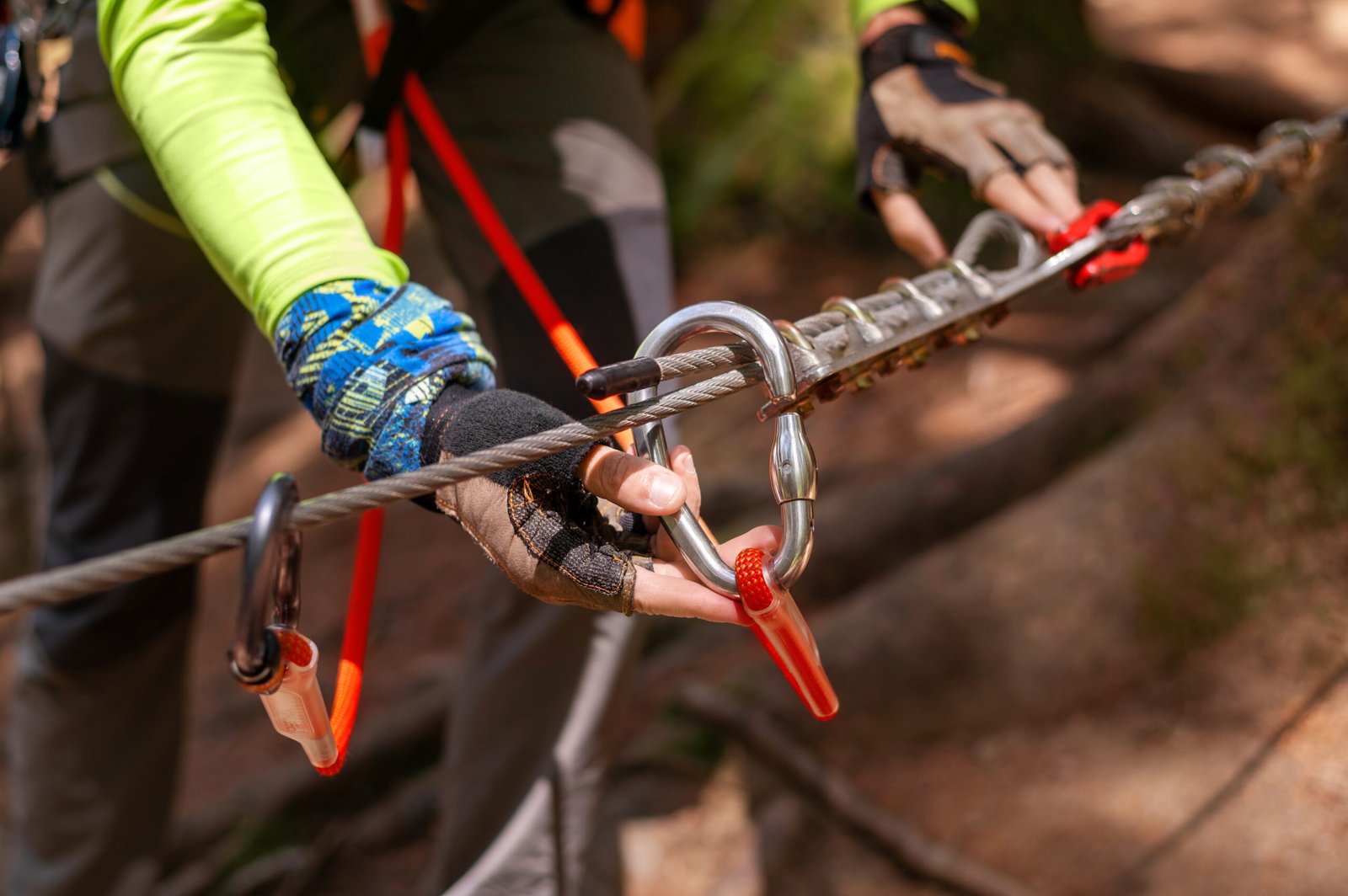
A safety harness is a critical piece of equipment for anyone working at height, whether in construction, roofing, tree care, or industrial maintenance. The right harness can mean the difference between a safe work environment and a life-threatening accident. MyHarness has become a trusted name in the safety industry, offering durable, comfortable, and reliable harness systems designed to protect workers in various high-risk environments. In this comprehensive guide, we will explore everything you need to know about MyHarness — from choosing the correct type and understanding its key features to proper usage, maintenance, and safety tips. Whether you are a professional worker or someone looking for a reliable safety harness, this article will help you make an informed decision and stay protected while working at heights.
What is MyHarness?
MyHarness is a brand that specializes in safety harness systems designed for fall protection and high-risk work environments. A harness is more than just a strap that goes around your body — it is a carefully engineered system that distributes fall forces across the body to prevent serious injury. MyHarness products are known for their ergonomic design, strong materials, and user-friendly features, making them a popular choice for professionals who require dependable fall protection gear. MyHarness harnesses typically include adjustable straps, strong D-rings, comfortable padding, and durable buckles that meet safety standards. The brand is also known for its commitment to safety compliance and user comfort, ensuring that workers can perform their tasks efficiently without compromising protection.
Types of MyHarness Products
MyHarness offers a variety of harness types designed for different applications. The most common include full-body harnesses, positioning harnesses, and rescue harnesses. Full-body harnesses are the most widely used and are designed to distribute fall forces evenly across the shoulders, chest, and thighs. Positioning harnesses are used when workers need to maintain a fixed position while working, such as on a utility pole or scaffold. Rescue harnesses are designed for emergency situations where a worker needs to be lifted or lowered safely. Each type of harness has specific features and use cases, and choosing the right one depends on the job requirements and safety regulations. MyHarness ensures that each product is built to withstand heavy use and provide maximum protection in high-risk environments.
Key Features of MyHarness
When choosing a harness, it’s important to understand the features that make it effective and comfortable. MyHarness products often include padded shoulder straps, adjustable chest and leg straps, multiple D-rings for fall arrest and positioning, and quick-connect buckles for easy wear. The materials used in MyHarness harnesses are typically high-strength webbing that resists wear and tear, along with corrosion-resistant hardware. Another key feature is the ergonomic design that ensures the harness fits comfortably on different body types without restricting movement. Additionally, MyHarness products often include attachment points for tool lanyards and safety lines, making them versatile for various work environments. These features collectively make MyHarness a reliable option for workers who need durable and comfortable fall protection gear.
How to Choose the Right MyHarness
Choosing the right MyHarness involves understanding your work environment, the type of tasks you perform, and the safety requirements you must meet. Start by identifying whether you need a full-body harness, positioning harness, or rescue harness. Consider the height and nature of your work — for example, if you work on scaffolding or rooftops, a full-body harness with a fall arrest system is essential. Also, pay attention to the harness’s weight capacity, adjustability, and comfort features. Make sure the harness fits properly and does not cause discomfort or restrict movement. It is also important to check for compliance with industry standards such as ANSI or OSHA, which ensure that the harness meets minimum safety requirements. MyHarness provides a variety of options to suit different needs, but it is crucial to select the model that aligns with your specific job requirements and safety regulations.
How to Properly Wear and Adjust MyHarness
Proper wearing and adjustment of a harness are essential for it to function correctly during a fall. Start by inspecting the harness for any signs of damage or wear. Put the harness on like a vest, ensuring that the shoulder straps sit comfortably and the chest strap is positioned at mid-chest level. Adjust the leg straps so they are snug but not overly tight, allowing for movement without slipping. The D-ring should be positioned between the shoulder blades for optimal fall protection. Make sure all buckles are securely fastened and that the harness is not twisted. Proper adjustment ensures that, in the event of a fall, the harness will distribute the impact forces evenly and reduce the risk of injury. MyHarness models are designed to be user-friendly, but correct fitting is still essential for maximum safety.
Safety Tips When Using MyHarness
Safety harnesses are only effective when used correctly. Always perform a pre-use inspection before each job. Check for frayed straps, damaged stitching, and rusted hardware. Ensure that the D-ring is secure and that all buckles function properly. Never use a harness that shows signs of wear or damage. It is also important to use a compatible lanyard and anchor point rated for fall arrest. Always follow the manufacturer’s instructions and safety guidelines. When working at height, make sure you have a rescue plan in place in case of an emergency. MyHarness products are built to provide reliable protection, but safety is also dependent on proper usage, training, and adherence to safety standards.
How to Maintain and Store MyHarness
Proper maintenance and storage extend the life of your harness and ensure it remains safe to use. After each use, clean the harness with mild soap and water, and allow it to air dry away from direct sunlight and heat sources. Avoid using harsh chemicals or solvents that can weaken the webbing. Store the harness in a cool, dry place away from moisture, chemicals, and sharp objects. Keep it hanging or in a protective bag to prevent damage. Regularly inspect the harness for signs of wear and replace it if any damage is found. MyHarness harnesses are durable, but they still require proper care to maintain their strength and performance over time.
Conclusion
MyHarness is a dependable choice for anyone seeking reliable fall protection gear. With a wide range of harness types and user-friendly features, MyHarness offers solutions for various work environments, from construction sites to rescue operations. However, the effectiveness of any harness depends on choosing the right model, wearing it correctly, and maintaining it properly. By understanding the key features, safety guidelines, and proper usage techniques outlined in this guide, you can make an informed decision and stay protected while working at height. Prioritizing safety is not just a requirement — it is a responsibility that can save lives.
Frequently Asked Questions (FAQs)
Q1: What makes MyHarness different from other safety harness brands?
MyHarness is known for its ergonomic design, durable materials, and strong safety features. It focuses on comfort and adjustability, ensuring a secure fit for different body types while maintaining high safety standards.
Q2: Is MyHarness suitable for construction work?
Yes, MyHarness offers full-body harnesses and fall arrest systems designed specifically for construction and other high-risk work environments. Always choose a model that meets your job requirements and safety standards.
Q3: How often should I inspect my MyHarness?
You should inspect your harness before each use and conduct a more detailed inspection periodically according to the manufacturer’s guidelines. Any signs of wear or damage mean the harness should be replaced immediately.
Q4: Can I wash MyHarness in a washing machine?
No, it is recommended to clean your harness by hand using mild soap and water. Washing machines can damage the webbing and stitching, reducing the harness’s effectiveness.
Q5: How do I know if my MyHarness fits correctly?
A correct fit means the shoulder straps sit comfortably, the chest strap is mid-chest level, and the leg straps are snug but not too tight. The D-ring should be positioned between the shoulder blades, and the harness should not twist or shift during movement.