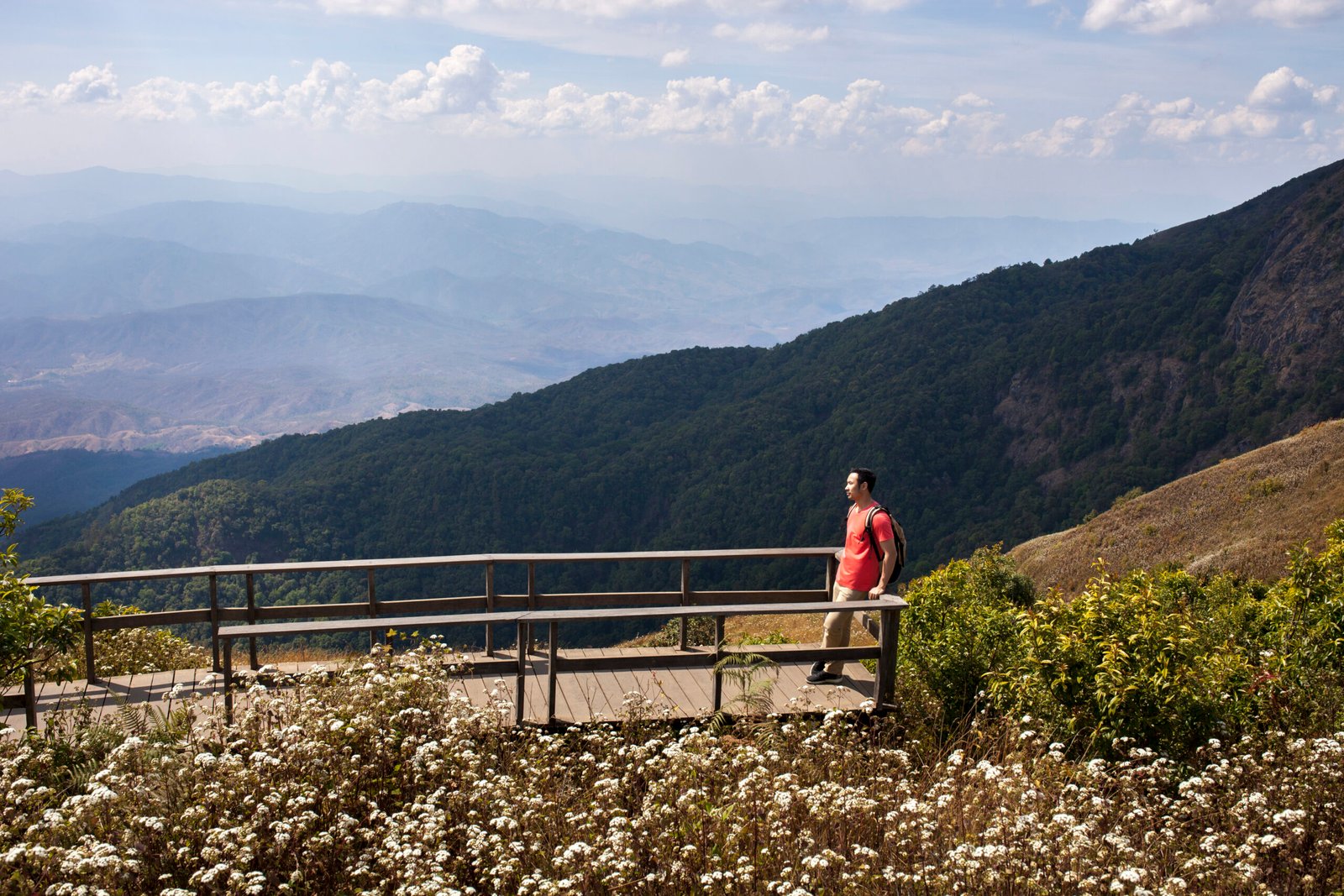
Madeira is a stunning Portuguese archipelago located in the Atlantic Ocean, widely known for its dramatic landscapes, mild climate, rich culture, and historical significance. Often referred to as the “Island of Eternal Spring,” Madeira attracts travelers, nature lovers, digital nomads, and historians from all over the world. The island offers a unique blend of lush green mountains, volcanic coastlines, charming towns, and deep-rooted traditions that have been preserved for centuries. Whether someone is seeking adventure, relaxation, or cultural exploration, Madeira stands out as a destination that delivers a truly unforgettable experience throughout the year.
Where Is Madeira Located?
Madeira is situated in the North Atlantic Ocean, southwest of mainland Portugal and northwest of Africa, making it geographically closer to Morocco than to Lisbon. Despite its remote oceanic position, Madeira remains politically and culturally connected to Portugal as an autonomous region. The archipelago consists mainly of Madeira Island, Porto Santo, and a few uninhabited islands known as the Desertas and Selvagens. Its strategic location historically made Madeira an important stop for explorers and traders during the Age of Discovery, and today it continues to be a crossroads of European, African, and Atlantic influences.
Madeira Climate and Weather
One of the most appealing aspects of Madeira is its exceptionally pleasant climate, which remains mild and stable throughout the year. Temperatures rarely reach extremes, with warm summers and comfortably cool winters, making it an ideal destination regardless of season. The island’s subtropical climate is influenced by the Atlantic Ocean, which helps regulate temperatures and maintain high humidity levels that support Madeira’s lush vegetation. This consistent weather is a major reason why Madeira has earned its reputation as the “Island of Eternal Spring,” allowing visitors to enjoy outdoor activities, sightseeing, and festivals at any time of the year.
Natural Beauty and Landscapes of Madeira
Madeira is world-famous for its breathtaking natural scenery, characterized by towering cliffs, dense laurel forests, volcanic mountains, and deep valleys. The Laurisilva Forest, a UNESCO World Heritage Site, is one of the island’s most remarkable natural treasures and dates back millions of years. Hiking trails known as “levadas,” originally built for irrigation, now provide scenic walking routes through forests, waterfalls, and mountain ridges. The dramatic coastline, with its black volcanic rocks and panoramic ocean views, further enhances Madeira’s reputation as one of the most visually stunning islands in Europe.
Madeira Culture and Traditions
The culture of Madeira is deeply rooted in Portuguese heritage while also reflecting the island’s unique history and isolation. Traditional music, folk dances, and colorful festivals play an essential role in local life, with events such as the Madeira Flower Festival and New Year’s fireworks gaining international recognition. Handicrafts like embroidery and wickerwork continue to be produced using traditional methods passed down through generations. Food and social gatherings are central to Madeiran culture, emphasizing hospitality, family bonds, and a slower, more meaningful pace of life.
Madeira Food and Local Cuisine
Madeira’s cuisine is rich, flavorful, and heavily influenced by the island’s geography and maritime traditions. Fresh seafood, including tuna and espada fish (black scabbardfish), features prominently in local dishes, often served with banana or passion fruit sauces that highlight Madeira’s tropical produce. Meat lovers enjoy espetada, a traditional beef skewer seasoned with garlic and bay leaves and grilled over open flames. Madeira wine, one of the island’s most famous exports, is a fortified wine with a long history and distinct taste that reflects the island’s climate and winemaking techniques.
Tourism and Things to Do in Madeira
Tourism is one of Madeira’s main economic drivers, offering a wide range of activities suitable for different types of travelers. Visitors can explore the capital city of Funchal, known for its historic architecture, botanical gardens, and vibrant markets. Adventure seekers enjoy hiking, canyoning, paragliding, and whale-watching, while those seeking relaxation can unwind at coastal resorts and natural swimming pools. Madeira also appeals to long-term visitors and digital nomads due to its safety, infrastructure, and high quality of life.
Living in Madeira
Living in Madeira offers a balance between modern convenience and natural tranquility. The island provides reliable healthcare, good education options, and modern infrastructure while maintaining a peaceful atmosphere that contrasts sharply with busy mainland cities. Many expatriates choose Madeira for its affordability compared to other European destinations, along with its welcoming community and relaxed lifestyle. The growing popularity of remote work has further positioned Madeira as an attractive location for professionals seeking a scenic and stress-free environment.
Conclusion: Why Madeira Is a Unique Destination
Madeira is far more than just a beautiful island; it is a place where nature, culture, and history blend seamlessly to create a truly special destination. From its mild climate and dramatic landscapes to its rich traditions and warm hospitality, Madeira offers something for everyone. Whether visiting for a short holiday or considering a longer stay, the island leaves a lasting impression through its natural beauty, cultural depth, and exceptional quality of life. Madeira continues to stand as one of Europe’s most underrated yet remarkable destinations.
Frequently Asked Questions About Madeira
What is Madeira best known for?
Madeira is best known for its year-round mild climate, dramatic landscapes, levada walks, Madeira wine, and stunning Atlantic Ocean views.
Is Madeira expensive to visit?
Madeira is generally more affordable than many other European island destinations, with a wide range of accommodation, food, and activity options to suit different budgets.
When is the best time to visit Madeira?
Madeira can be visited all year due to its stable climate, but spring and summer are particularly popular for festivals, hiking, and outdoor activities.
Is Madeira good for long-term living?
Yes, Madeira is considered an excellent place for long-term living thanks to its safety, healthcare, climate, and growing international community.
Do people speak English in Madeira?
While Portuguese is the official language, English is widely spoken, especially in tourist areas, hotels, and restaurants.