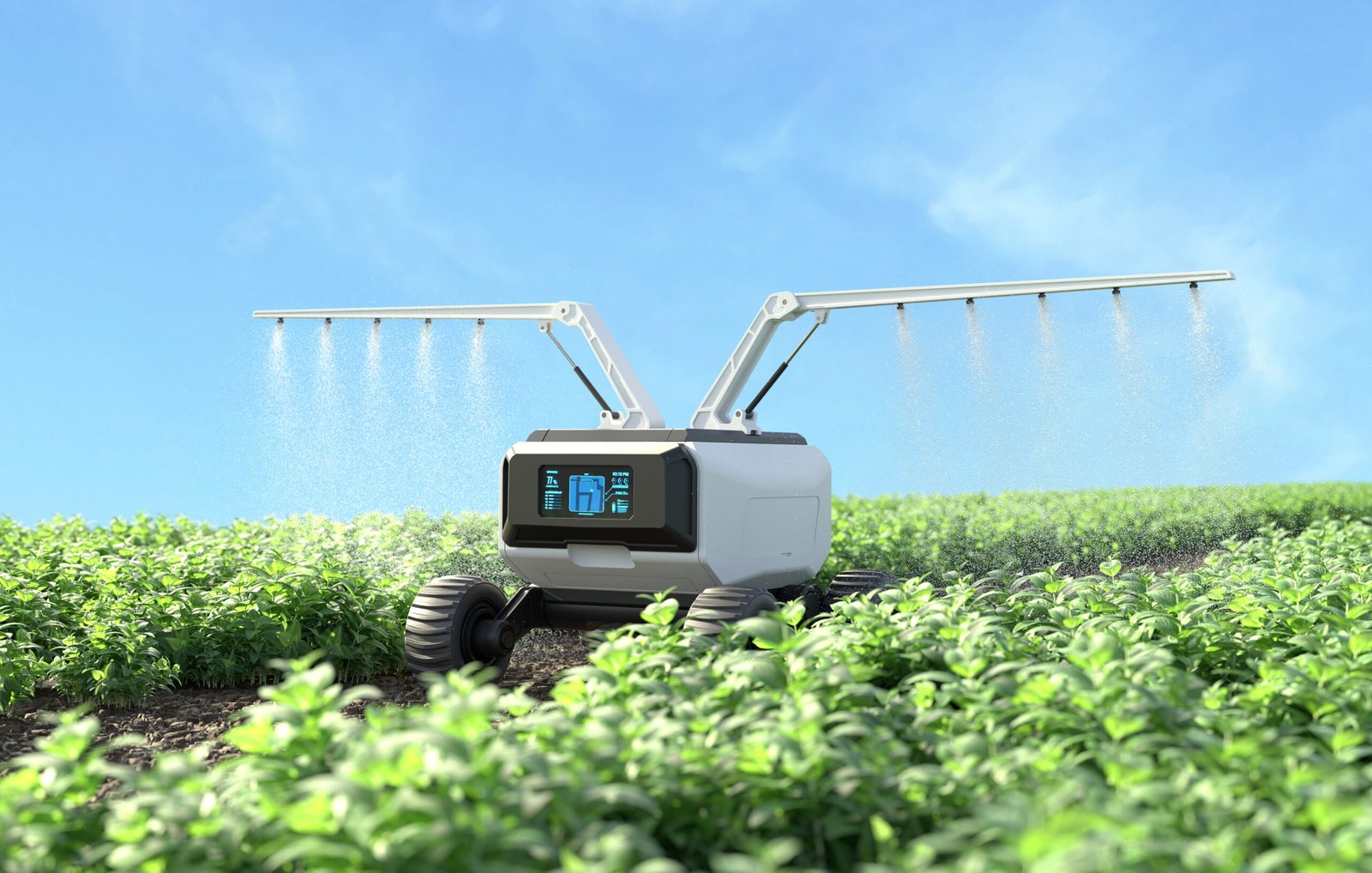
In today’s rapidly evolving agricultural landscape, efficient water management has become more important than ever before. Farmers and landowners are continuously searching for innovative solutions that help conserve water, improve crop yield, and reduce operational costs. One such modern solution gaining attention is Irri Sys, a term commonly used to describe advanced irrigation systems designed to optimize water distribution in farms, gardens, and commercial landscapes. As climate change increases water scarcity and unpredictable weather patterns, adopting a reliable irrigation system is no longer optional—it is essential. This article explores everything you need to know about Irri Sys, including its types, benefits, working principles, components, installation process, and frequently asked questions.
What is Irri Sys?
Irri Sys refers to a structured and technology-driven irrigation system that ensures controlled and efficient water delivery to plants and crops. Unlike traditional flood irrigation methods that often waste large amounts of water, Irri Sys solutions are engineered to provide precise watering directly to the root zone of plants. These systems can include drip irrigation, sprinkler irrigation, automated irrigation controllers, and smart moisture-sensing technologies. The main goal of Irri Sys is to maximize productivity while minimizing water consumption and labor effort. By distributing water evenly and at scheduled intervals, Irri Sys supports healthier crop growth and reduces the risk of under-watering or over-watering.
Types of Irri Sys Irrigation Systems
There are several types of Irri Sys irrigation systems, each designed for specific agricultural and landscaping needs. Drip irrigation systems deliver water slowly through pipes and emitters directly to plant roots, making them ideal for water conservation and high-value crops. Sprinkler irrigation systems spray water over crops similarly to rainfall and are suitable for large fields and lawns. Surface irrigation systems allow water to flow across the soil by gravity, though they are less efficient compared to modern systems. Additionally, smart irrigation systems integrate sensors and automated timers that adjust watering schedules based on soil moisture, temperature, and weather conditions. Choosing the right Irri Sys type depends on crop type, soil structure, water availability, and farm size.
Key Components of Irri Sys
An effective Irri Sys setup consists of several essential components that work together to ensure smooth water distribution. The water source can be a well, reservoir, or municipal supply. Pumps are used to move water through the system at the required pressure. Pipes and tubing transport water across the field or garden, while valves control water flow to specific sections. Emitters or sprinklers release water in controlled quantities. Modern Irri Sys installations often include controllers and timers that automate irrigation schedules, as well as sensors that measure soil moisture levels. These components must be carefully selected and maintained to ensure system durability and efficiency over time.
Benefits of Using Irri Sys
One of the greatest advantages of Irri Sys is water conservation. By delivering water precisely where it is needed, the system reduces evaporation and runoff losses. Another major benefit is increased crop yield, as plants receive consistent moisture levels that promote healthy growth. Irri Sys also saves time and labor because automated systems eliminate the need for manual watering. Furthermore, these systems reduce weed growth since water is targeted only to crop areas rather than surrounding soil. Over time, farmers can experience lower energy costs and better fertilizer efficiency because nutrients can be delivered directly through irrigation lines, a process known as fertigation.
How Irri Sys Improves Sustainable Farming
Sustainability has become a key focus in modern agriculture, and Irri Sys plays a vital role in achieving environmental balance. By reducing water waste and preventing soil erosion, these systems help protect natural resources. Efficient irrigation also prevents over-saturation of soil, which can lead to nutrient leaching and groundwater contamination. In regions facing water shortages, adopting Irri Sys technology allows farmers to continue producing food without exhausting local water supplies. The integration of smart sensors and automation further enhances sustainability by adjusting irrigation schedules according to real-time environmental conditions.
Installation and Maintenance of Irri Sys
Installing an Irri Sys irrigation system requires proper planning and design. The first step involves analyzing soil type, crop requirements, and water availability. After designing the layout, pipes and emitters are installed strategically across the field. Pumps and controllers are connected to ensure proper water pressure and scheduling. Regular maintenance is crucial to maintain system efficiency. Filters should be cleaned frequently to prevent clogging, and pipes should be inspected for leaks or damage. Seasonal system checks ensure that all components function properly and extend the lifespan of the irrigation setup.
Challenges and Considerations in Irri Sys
Although Irri Sys offers numerous benefits, there are certain challenges to consider. The initial installation cost can be higher compared to traditional irrigation methods. Technical knowledge may be required to operate advanced automated systems. In some areas, inconsistent power supply can affect automated irrigation controllers. However, despite these challenges, the long-term savings and productivity gains often outweigh the initial investment.
Future of Irri Sys Technology
The future of Irri Sys lies in smart farming technologies and digital agriculture. Artificial intelligence, remote monitoring through mobile applications, and climate-based irrigation scheduling are transforming how water is managed in agriculture. With increasing global focus on sustainability and resource efficiency, Irri Sys solutions are expected to become more affordable and widely adopted. Governments and agricultural organizations are also encouraging farmers to switch to modern irrigation systems through subsidies and awareness programs.
Conclusion
Irri Sys represents a significant advancement in agricultural water management. By combining efficiency, automation, and sustainability, it provides farmers with a reliable solution to modern irrigation challenges. Whether used in small gardens or large commercial farms, Irri Sys systems help conserve water, improve crop productivity, and reduce labor costs. As the demand for sustainable agriculture continues to grow, adopting innovative irrigation solutions like Irri Sys will play a crucial role in ensuring food security and environmental protection for future generations.
Frequently Asked Questions (FAQs)
1. What does Irri Sys mean?
Irri Sys refers to a modern irrigation system designed to distribute water efficiently and precisely to crops and plants using advanced technology.
2. Is Irri Sys suitable for small farms?
Yes, Irri Sys can be customized for both small-scale farms and large agricultural fields depending on the farmer’s needs and budget.
3. How does Irri Sys save water?
Irri Sys saves water by delivering it directly to plant roots in controlled amounts, reducing evaporation, runoff, and wastage.
4. Is Irri Sys expensive to install?
The initial setup cost can be higher than traditional irrigation, but long-term savings in water, labor, and increased yield make it cost-effective.
5. Can Irri Sys be automated?
Yes, many Irri Sys systems include timers, sensors, and smart controllers that automate irrigation schedules based on environmental conditions.