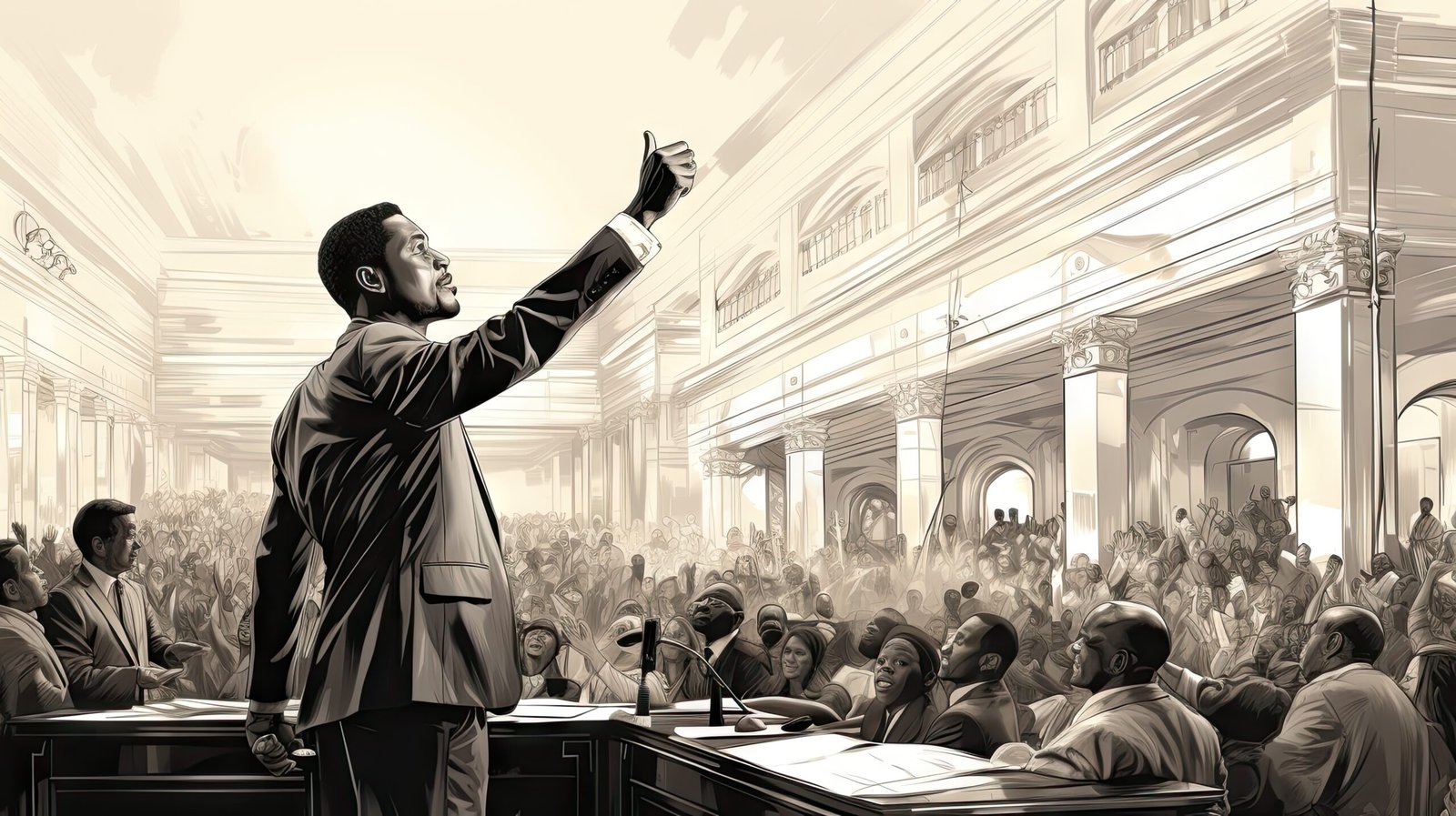
Fascism, often associated with extreme nationalism and authoritarian governance, has left a deep imprint on modern history, particularly through movements like fascisterne in Europe. While the term “fascisterne” literally means “the fascists” in Danish, it symbolizes a broader global phenomenon that thrived during the early 20th century. Understanding fascism is crucial not only for historians but also for societies seeking to prevent the resurgence of authoritarian ideologies. Fascisterne were not a monolithic group; their ideologies and methods varied across nations, yet they shared common principles such as the glorification of the state, suppression of dissent, and the promotion of a uniform national identity. In examining fascisterne, we uncover the dynamics of power, propaganda, and social manipulation that allowed these movements to rise, the historical consequences they left behind, and the lessons they provide for modern democracies.
Origins of Fascism
Fascism emerged in the aftermath of World War I, a period marked by social unrest, economic instability, and political upheaval. The devastation caused by the war left millions disillusioned with traditional liberal democracies, which seemed incapable of addressing post-war crises. In Italy, Benito Mussolini transformed these frustrations into a political movement known as fascism, advocating for a totalitarian state and the supremacy of the nation above individual freedoms. Fascisterne, in broader European contexts, drew upon this Italian model, adapting it to local grievances and nationalist sentiments. Central to the ideology was the belief in a strong leader, the rejection of parliamentary democracy, and the use of violence and intimidation as political tools. Unlike other political ideologies that emphasize equality or individual rights, fascism prioritized collective identity and loyalty to the state, making it particularly appealing to populations facing social and economic uncertainty.
Core Ideology of Fascisterne
At the heart of fascisterne’s philosophy lies a combination of nationalism, authoritarianism, and anti-liberalism. Nationalism was not merely pride in one’s country; it was a doctrine that demanded absolute allegiance to the nation and viewed dissent as treason. Authoritarianism meant that power was centralized in a single leader or party, often justified as necessary to restore national greatness. Fascisterne also strongly opposed both socialism and liberal democracy, considering them threats to social cohesion and national unity. Propaganda played a key role in reinforcing these ideas, using mass media, rallies, and symbols to shape public opinion. The ideology further emphasized militarism and the use of violence, not only to suppress opposition but also to cultivate a sense of strength and unity among followers. Understanding these core beliefs helps explain why fascisterne movements were both highly disciplined and ruthlessly effective in mobilizing support during times of crisis.
Historical Impact and Expansion
Fascisterne movements gained momentum across Europe during the 1920s and 1930s, most prominently in Italy and Germany. In Italy, Mussolini’s Fascist Party established a dictatorship that abolished political opposition, censored the press, and aggressively promoted nationalist propaganda. In Germany, Adolf Hitler adapted fascist principles into National Socialism, which combined extreme nationalism with racial ideology, leading to unprecedented violence and genocide. Other countries, including Spain, Hungary, and Romania, saw similar authoritarian movements inspired by fascisterne ideals, though with local variations. The global impact of these movements was profound: they contributed to political instability, economic disruption, and ultimately, the outbreak of World War II. Beyond war, the social consequences were equally severe, as fascisterne regimes sought to reshape society according to rigid ideological frameworks, often targeting minorities, intellectuals, and political opponents for persecution or extermination.
Fascisterne in Modern Context
While the original fascisterne movements largely collapsed after World War II, their ideological influence persists in contemporary politics. Neo-fascist and far-right groups around the world draw inspiration from fascist rhetoric, emphasizing nationalism, anti-immigration policies, and skepticism toward liberal democratic institutions. These movements often exploit social unrest, economic insecurity, and cultural fears to gain support, echoing the same tactics used by historical fascisterne. Studying the history of fascisterne is therefore not merely an academic exercise—it is a necessary precaution against repeating the mistakes of the past. Modern societies must remain vigilant against the signs of authoritarianism, including the erosion of democratic norms, attacks on the press, and the use of propaganda to polarize populations.
Conclusion
Fascisterne, as a historical and ideological phenomenon, represents one of the most powerful and destructive political movements of the 20th century. From its origins in post-World War I Europe to its devastating impact during World War II, fascism demonstrates the dangers of unchecked nationalism, authoritarian governance, and societal manipulation. Today, the lessons of fascisterne remain crucial for safeguarding democratic values and promoting tolerance, pluralism, and human rights. By understanding the past, societies can better recognize the warning signs of authoritarian resurgence and work proactively to prevent history from repeating itself.
Frequently Asked Questions (FAQ)
Q1: Who were the fascisterne?
A1: Fascisterne refers to fascists, particularly in a European context. They were members of political movements that promoted extreme nationalism, authoritarian rule, and the suppression of opposition.
Q2: What are the key principles of fascism?
A2: Fascism emphasizes absolute loyalty to the state, a strong centralized authority, rejection of liberal democracy, nationalism, militarism, and the use of propaganda to control public opinion.
Q3: How did fascisterne rise to power?
A3: Fascisterne rose to power by exploiting economic crises, political instability, and social unrest. They used propaganda, violence, and charismatic leadership to gain mass support and eliminate opposition.
Q4: What countries were most affected by fascisterne movements?
A4: Italy, Germany, Spain, Hungary, and Romania experienced significant fascist movements. Germany and Italy, in particular, saw fascisterne establish totalitarian regimes with lasting historical consequences.
Q5: Do fascisterne movements exist today?
A5: While historical fascisterne collapsed after World War II, neo-fascist and far-right groups continue to exist globally, often promoting nationalism, anti-immigration policies, and authoritarian ideas.